
Marijuana and Panic Attacks and When to Seek Professional Help

Panic symptoms linked to marijuana use can feel frightening, but many people recover fully once they understand what is happening and get the right support. Experiences with marijuana and panic attacks often begin suddenly and leave users questioning their safety, mental health, or future relationship with cannabis. Loved ones usually feel just as confused and worried. Education helps calm that fear. Clear information helps people make safer choices and recognize when help matters. Supportive treatment environments like Sun Valley rehab focus on reducing distress, restoring stability, and addressing both substance use and mental health without judgment. Panic does not mean failure or weakness. It signals that the nervous system is overwhelmed. With the right guidance, people regain control, rebuild confidence, and reduce the risk of repeated episodes.
What Do Panic Attacks From Marijuana Feel Like Physically?
Physical panic symptoms triggered by marijuana arrive fast and feel intense. Experts conducting marijuana addiction treatment in Los Angeles often explain that THC can sharply increase heart rate within minutes. Chest tightness follows and can mimic cardiac distress. Breathing may feel shallow or difficult, even when oxygen levels remain normal. Dizziness, sweating, nausea, and shaking frequently appear together. Fear escalates quickly and often centers on losing control, passing out, or dying. These reactions peak rapidly, which separates panic attacks from slower-building anxiety. Many people misinterpret these sensations as medical emergencies. Fear then feeds the panic response. Recognizing the pattern helps reduce escalation. Calm breathing, grounding, and reassurance shorten episodes. Repeated episodes, however, raise concern and suggest the body no longer tolerates THC well.
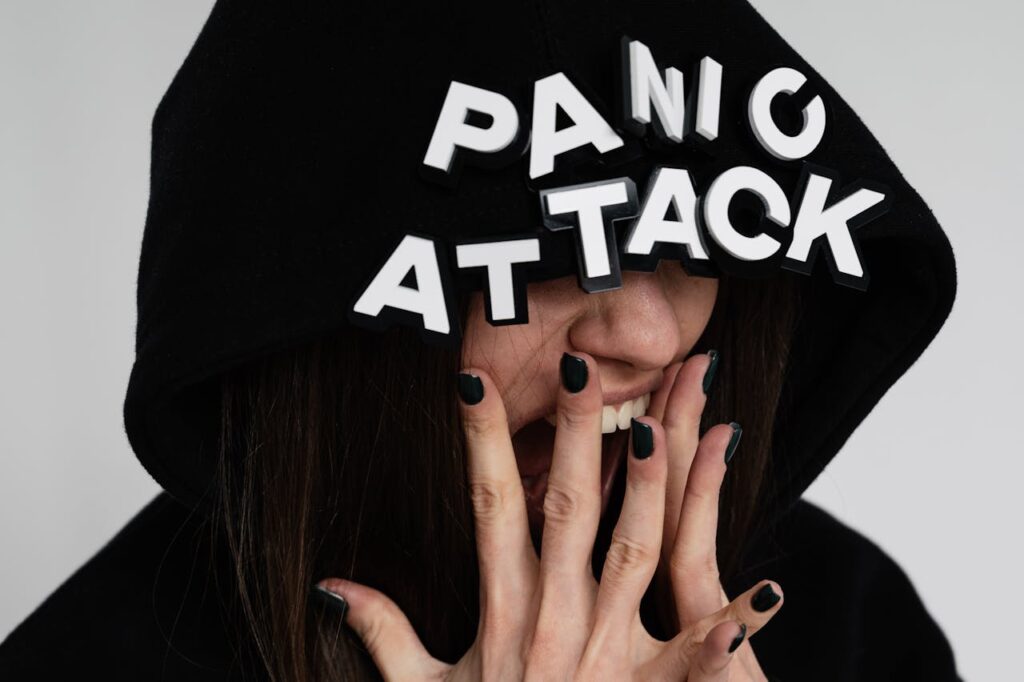
When the Body Sounds the Alarm
Panic attacks triggered by marijuana often feel medical because the body reacts first, not the mind.
- Heart rate commonly jumps 30–60 beats per minute within minutes of THC exposure
- Chest tightness occurs in over 50% of reported THC-related panic cases
- Shortness of breath is usually perceived, not oxygen-related, with O2 levels staying above 95%
- Peak intensity often hits within 5–15 minutes
- Most episodes resolve within 20–60 minutes, though fear can prolong symptoms
Why Do High-THC Products Increase Panic Risk?
High-potency cannabis strains deliver stronger neurological effects than many users expect. Experts working in residential treatment in Los Angeles frequently see panic cases tied to concentrates, edibles, and vape products. These forms deliver THC rapidly or in delayed but overwhelming doses. The nervous system struggles to regulate the surge. Heart rate spikes. Blood pressure fluctuates. Sensory perception distorts. Edibles pose special risk because effects appear later, leading users to consume more. Panic then arrives suddenly and lasts longer than inhaled forms. Tolerance changes also matter. A dose once tolerated can later provoke panic after breaks in use. The brain’s stress response becomes sensitized. Avoiding high-THC products reduces risk, but persistent panic suggests deeper vulnerability that needs attention.
Potency Changed the Risk Equation
Modern cannabis products deliver THC at levels the brain did not evolve to tolerate.
- Flower averages 15–25% THC, compared to 3–5% in the 1990s
- Concentrates often exceed 70–90% THC
- Edibles can deliver 5–10 mg THC per dose, with delayed onset of 30–120 minutes
- Panic risk rises sharply after dose stacking
- Tolerance drops significantly after just 7–10 days of reduced use
How Can You Tell the Difference Between Anxiety, Panic Attacks, and Over-Intoxication?
Clarity matters during distress. A drug detox center in Los Angeles often helps people distinguish panic attacks from intoxication reactions. Panic attacks feel sudden, intense, and terrifying, yet reality testing remains mostly intact. Over-intoxication includes confusion, impaired coordination, paranoia, and dissociation. Anxiety builds more gradually and lacks the sharp peak of panic. Panic episodes usually crest within minutes and then subside. Over-intoxication lingers longer and affects cognition. Panic centers on fear of bodily harm. Over-intoxication disrupts perception and judgment. Misreading these states increases fear. Accurate understanding guides safer responses. Medical evaluation becomes essential if confusion, loss of consciousness, or chest pain persists beyond the typical panic window.
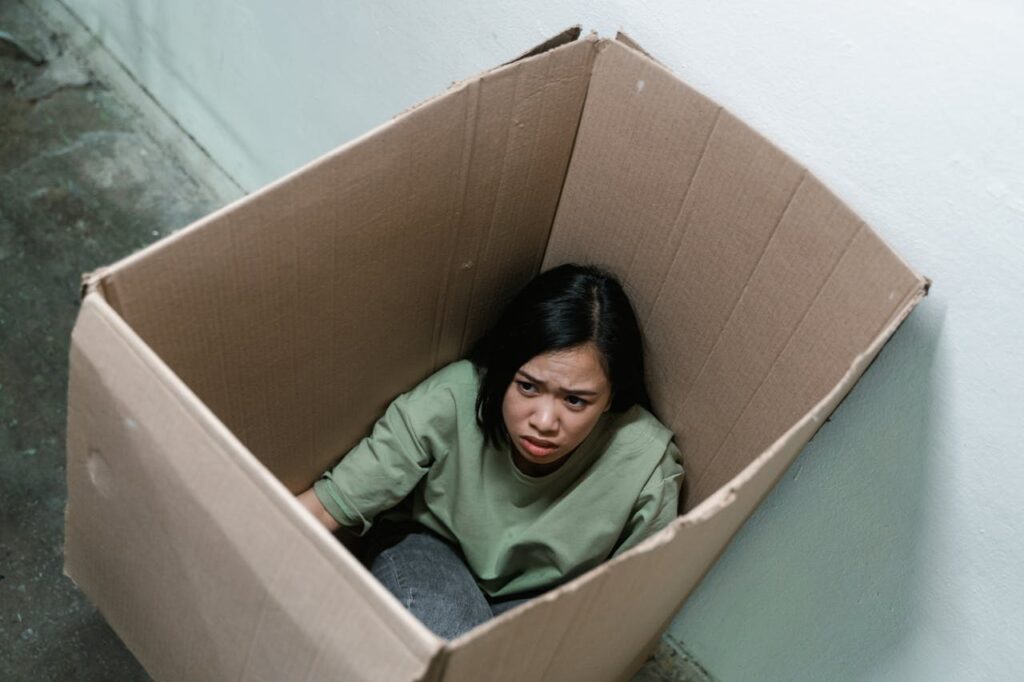
Not All Anxiety Feels the Same
Differentiating panic from intoxication changes how people respond and recover.
- Panic attacks peak fast and decline within 1 hour
- Over-intoxication can last 4–8 hours or longer with edibles
- Panic preserves orientation and awareness
- Over-intoxication often includes confusion, dissociation, or impaired coordination
- Anxiety builds gradually and lacks the sudden peak seen in panic
Who Is Most Vulnerable to Marijuana-Induced Panic?
Certain risk factors increase sensitivity to THC. Outpatient rehab San Fernando Valley experts have seen higher panic rates among people with anxiety disorders, trauma histories, or sleep deprivation. Stimulant use compounds risk by elevating heart rate and nervous system arousal. Genetics also influence sensitivity. Even small doses can trigger panic in vulnerable individuals. Stressful environments amplify risk. Past panic episodes increase the likelihood of recurrence. People using marijuana to self-manage stress often experience rebound anxiety. Asking “marijuana for panic attacks” reflects a common misconception. While relaxation occurs for some, others experience the opposite. Vulnerability does not mean weakness. It signals that cannabis interacts poorly with an already stressed nervous system.
Who Is Most at Risk and Why
Certain biological and psychological factors raise vulnerability dramatically.
- Prior anxiety disorders increase panic risk by 2–3x
- Trauma history significantly raises THC sensitivity
- Sleep deprivation alone can increase panic likelihood by 30–40%
- Stimulants like caffeine amplify heart rate effects
- First panic episode increases recurrence risk within 6 months
Why Do Panic Attacks Sometimes Continue After the High Ends?
Lingering panic raises concern. Outpatient drug rehab Los Angeles clinicians often observe anxiety persisting for hours or days after marijuana use. Fear of recurrence becomes its own trigger. The brain remains on alert. Sleep disruption worsens symptoms. People begin avoiding situations associated with the episode. This avoidance reinforces anxiety patterns. Persistent symptoms suggest more than intoxication. Panic disorder, trauma responses, or generalized anxiety may be present. THC can unmask these conditions rather than cause them outright. Professional evaluation helps identify underlying drivers. Without support, people may cycle through repeated episodes, escalating fear and impairment.

When Panic Doesn’t Stop With the High
Lingering symptoms signal that the nervous system remains dysregulated.
- Post-use anxiety lasting 24–72 hours is clinically significant
- Fear of recurrence becomes a trigger in over 60% of cases
- Avoidance behaviors often appear within 2–4 weeks
- Sleep disruption worsens symptoms by up to 50%
- Recurrent episodes increase ER visits and health anxiety
Can Marijuana and Panic Attacks Signal Underlying Mental Health Conditions?
Yes, and ignoring the signal delays recovery. Marijuana and panic attacks often appear when THC interacts with existing anxiety, PTSD, or mood disorders. THC alters neurotransmitter balance and stress regulation. For vulnerable brains, this shift destabilizes emotional control. Panic becomes a warning sign rather than an isolated event. Questions like “medical marijuana for panic attacks” or “can i get a medical marijuana card for panic attacks” arise from confusion about relief versus risk. Clinical evidence shows THC frequently worsens panic in susceptible individuals. Addressing the underlying condition reduces episodes more effectively than adjusting cannabis use alone.
Panic as a Mental Health Signal
THC can reveal conditions that were previously controlled or unnoticed.
- Panic disorder often emerges between ages 18–35
- PTSD symptoms may intensify after THC exposure
- Generalized anxiety disorder affects 6–7% of adults annually
- THC alters amygdala activity linked to fear processing
- Continued use increases symptom persistence
When Are Warning Signs Too Serious to Handle Alone?
Self-management reaches limits. Individual therapy for addiction treatment can sometimes be effective early, but escalating symptoms demand broader care. Repeated emergency visits signal unresolved panic cycles. Avoidance of work, driving, or social contact indicates functional impairment. Derealization and persistent fear of losing control suggest deeper dysregulation. Reliance on substances to calm symptoms increases risk. Loved ones often notice changes before the individual does. Early intervention prevents long-term disability. Professional care provides structure, assessment, and relief strategies that self-help cannot replace.

Signs Self-Management Is Failing
Certain patterns indicate that professional care is no longer optional.
- More than 2 ER visits for panic within a year
- Avoidance affecting work, driving, or social life
- Derealization lasting longer than 2 weeks
- Increasing reliance on substances to self-soothe
- Panic episodes occurring without marijuana use
How Do Clinicians Assess Marijuana-Related Panic?
Assessment looks beyond the substance. Marijuana and panic attacks require evaluation of dose, frequency, potency, and method of use. Clinicians review mental health history, sleep patterns, medications, and stimulant intake. Medical causes like cardiac issues or thyroid imbalance must be ruled out. Psychological screening identifies panic disorder, trauma responses, or depression. Honest disclosure matters. Accurate assessment leads to targeted treatment. Without it, people chase symptoms instead of causes.
What Clinicians Actually Look For
Assessment focuses on patterns, not just the substance.
- THC dose, frequency, and method of use
- Panic onset timing relative to use
- Medication interactions and stimulant intake
- Sleep duration below 6 hours per night
- Family history of anxiety or mood disorders
What Treatment Options Actually Reduce Panic?
Effective treatment addresses both panic and substance use. Marijuana and panic attacks respond well to cognitive behavioral therapy focused on fear response and bodily sensations. Medication support may stabilize severe anxiety when appropriate. Gradual substance reduction prevents withdrawal-related anxiety. Sleep restoration improves nervous system regulation. Education reduces fear of symptoms. Supportive environments encourage accountability without shame. Treatment works best when individualized and monitored. Panic diminishes as coping skills strengthen and triggers are addressed.

What Treatment Reduces Panic Long-Term
Relief comes from addressing both symptoms and causes.
- CBT reduces panic frequency by 50–70%
- Gradual THC reduction lowers rebound anxiety risk
- Medication support may stabilize severe cases
- Sleep normalization improves regulation within 2–3 weeks
- Education alone reduces fear intensity in many patients
When Should Professional Help Be Sought Immediately?
Urgency matters when safety, functioning, or mental stability is at risk. Episodes involving marijuana and panic attacks should never be dismissed when symptoms move beyond short-lived distress and begin to threaten physical or psychological wellbeing. Chest pain that does not ease after calming techniques or rest must be evaluated to rule out cardiac causes, especially when accompanied by pressure, radiating pain, or shortness of breath. Fainting, near-fainting, or sudden weakness also requires urgent medical attention, as panic alone rarely causes loss of consciousness.
Thoughts of self-harm, hopelessness, or feeling unable to tolerate another episode are critical warning signs. These reactions often reflect overwhelming fear rather than intent, but they still require immediate professional support. Panic that continues days after marijuana use, or that appears without any substance involvement, suggests an independent anxiety or panic disorder that will not resolve on its own.
Functional decline is another clear signal. Difficulty driving, working, sleeping, or managing basic daily responsibilities indicates that anxiety has crossed into impairment. Loved ones often notice these changes first. Trusting those observations matters. Early professional intervention reduces medical risk, shortens recovery time, and prevents panic from becoming a long-term, disabling condition.
When Panic Becomes a Medical or Mental Health Emergency
Some panic episodes require immediate professional attention because safety and basic functioning are no longer secure. Episodes connected to marijuana and panic attacks should be treated as urgent when symptoms move beyond intense fear and begin to affect physical stability, judgment, or daily life.
- Chest pain lasting longer than 20–30 minutes, especially with pressure or shortness of breath
- Fainting, near-fainting, or sudden weakness, which panic alone rarely causes
- Panic symptoms continuing 24–72 hours after marijuana use
- Panic occurring with no substance use at all, suggesting an independent disorder
- Thoughts of self-harm, hopelessness, or inability to cope with another episode
- Inability to drive, work, sleep, or manage daily responsibilities
- Repeated emergency room visits within a short time frame
- Loved ones noticing sudden personality or functioning changes
Marijuana and Panic Attacks Do Not Resolve Without Action
Ignoring repeated episodes of marijuana and panic attacks allows fear patterns to strengthen and daily functioning to shrink. Panic that feels unpredictable often follows clear triggers once they are examined closely. High-THC exposure, poor sleep, stress, and prior anxiety conditions compound risk. Reducing or stopping marijuana use is not a setback. It is a protective step. Do not self-diagnose or rely on avoidance to cope. Panic that interferes with work, driving, or relationships requires professional evaluation. Early support limits escalation, shortens recovery time, and prevents long-term anxiety disorders from taking hold. If panic continues, intensifies, or appears without marijuana use, reach out for help. Contact us to discuss next steps with clinicians who understand how marijuana and panic interact and how to stabilize both safely.
You Have Questions
We Have Answers
At Tranquility Recovery Center, we offer treatment for a wide range of addictions, including alcohol, opioids, prescription drugs, and illicit substances. Our team tailors each program to meet individual needs, focusing on both the physical and emotional aspects of recovery.
At Tranquility Recovery Center, we offer treatment for a wide range of addictions, including alcohol, opioids, prescription drugs, and illicit substances. Our team tailors each program to meet individual needs, focusing on both the physical and emotional aspects of recovery.
At Tranquility Recovery Center, we offer treatment for a wide range of addictions, including alcohol, opioids, prescription drugs, and illicit substances. Our team tailors each program to meet individual needs, focusing on both the physical and emotional aspects of recovery.