
Antipsychotics and Alcohol: Why This Combination Is Dangerous

Mixing psychiatric medication with alcohol is more common than many people admit. It often starts quietly. A drink to sleep, a drink to calm anxiety, a drink to feel normal again. For people prescribed antipsychotic medication, this pattern carries real medical risk. Antipsychotics and alcohol interact in ways that affect the brain, heart, breathing, balance, and judgment. These effects do not cancel each other out. They stack. That is why clinicians in detox centers in San Fernando Valley treat this combination as a safety issue, not a lifestyle choice. The goal is stability, clarity, and protection from preventable harm. When alcohol stays in the picture, treatment outcomes change. Recovery becomes harder. Risks rise. Knowing why this happens matters for patients and for the people who care about them.
How Do Antipsychotics and Alcohol Affect the Central Nervous System?
Alcohol and many antipsychotic medications depress the central nervous system. Each slows brain signaling. Together, the effect intensifies. Reaction time drops. Coordination weakens. Sedation deepens. Attention narrows. People often underestimate this because tolerance develops to alcohol or medication alone, but not reliably to the combination. Experts from a dual diagnosis treatment center in Los Angeles frequently see patients who appear stable on medication until alcohol reenters the picture. Then, balance issues, confusion, and extreme fatigue follow. Research summarized by national health authorities shows this additive effect increases risk even at lower alcohol levels. Alcohol and antipsychotics do not compete. They compound. This is one reason antipsychotics and alcohol are flagged together in clinical guidance.
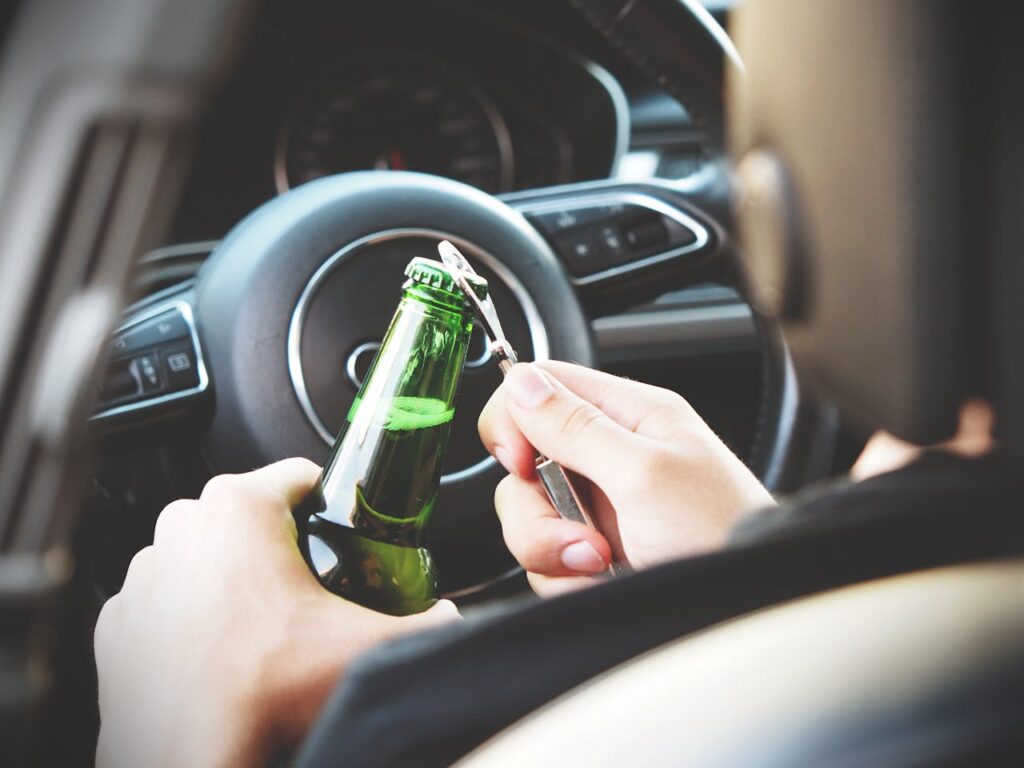
When Sedation Becomes a Safety Threat
Sedation is not just feeling tired. It is a measurable suppression of brain function that worsens when substances stack.
- Alcohol and CNS-depressant medications produce additive sedation, not linear effects
- Reaction time and motor coordination drop significantly even at low to moderate alcohol intake
- Psychomotor impairment increases the risk of unintentional overdose and injury
- Sedation severity rises when doses are taken close together in time
Why Does Mixing Alcohol With Antipsychotics Increase Falls and Crash Risk?
Falls and motor vehicle crashes are among the most documented harms linked to alcohol–medication interactions. Sedation and slowed reflexes reduce the body’s ability to correct balance or respond to sudden hazards. Alcohol already raises crash risk on its own. Add antipsychotic medication, and the impairment becomes more pronounced. Recovery centers that offer residential treatment in Los Angeles say that many injury-related admissions involve this exact mix. Population-level data show that alcohol combined with sedating medications contributes to falls, fractures, and traffic accidents across age groups. These injuries are not rare edge cases. They show up repeatedly in emergency departments. Alcohol and antipsychotic medication also impair visual tracking and depth perception, which explains why people misjudge steps, curbs, or oncoming vehicles. For loved ones, unexplained bruises or repeated minor accidents can be early warning signs.
Why Accidents Spike Outside the Hospital
Most serious injuries happen at home, on the road, or during routine activities.
- Alcohol–medication interactions are linked to a substantial percentage of fall-related ER visits
- Sedating medications combined with alcohol increase motor vehicle crash risk multiple-fold
- Fractures, head injuries, and internal bleeding are common outcomes
- Injury risk rises sharply at night due to compounded sedation and poor visibility
How Can Alcohol and Other Depressants Trigger Breathing Emergencies?
The most dangerous situations often involve more than one depressant. Alcohol combined with antipsychotics becomes especially risky when other sedating drugs are present. Sleep medications, benzodiazepines, and opioids all depress breathing. The U.S. Food and Drug Administration has repeatedly warned that stacking depressants can lead to profound sedation, slowed or stopped breathing, coma, and death. Relapse prevention program California treats this combination as high risk because people in relapse often reintroduce multiple substances at once. Antipsychotics are explicitly listed among medications that can worsen depressant effects when mixed with alcohol. Even without opioids, heavy alcohol use can suppress respiratory drive during sleep. Add medication-induced sedation, and oxygen levels can drop silently.
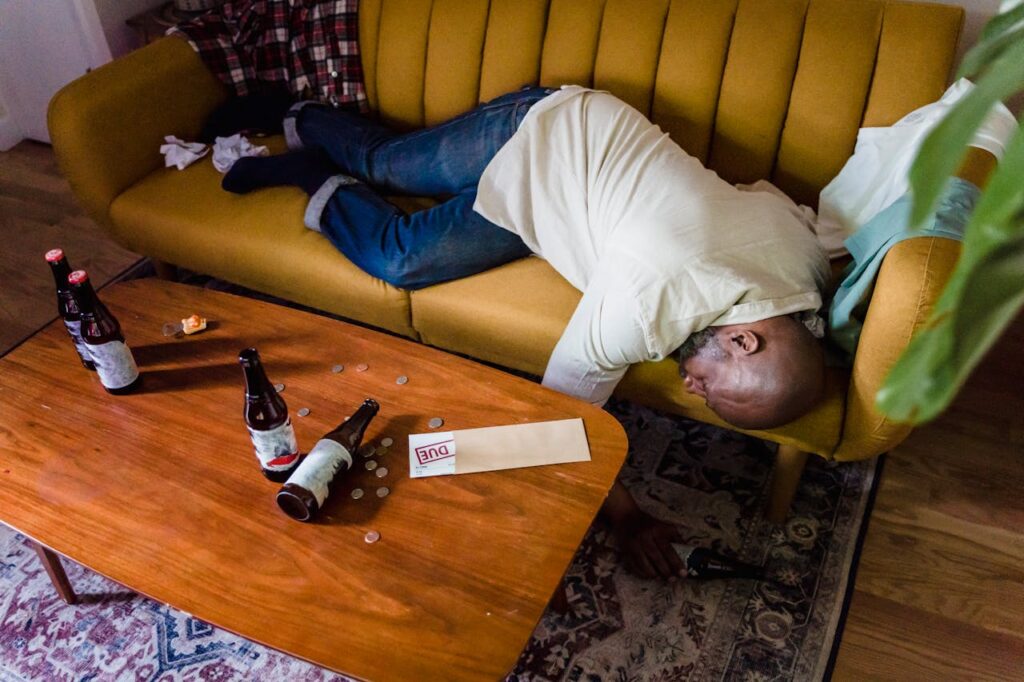
The Breathing Suppression Problem Nobody Sees Coming
Respiratory depression often develops quietly and worsens during sleep.
- Combined depressants can slow or stop breathing without obvious warning signs
- Risk escalates when alcohol is mixed with sleep meds, benzodiazepines, or opioids
- Oxygen saturation can drop to dangerous levels during unconsciousness
- Many fatal overdoses involve multiple CNS depressants, not one substance
Why Do Antipsychotics and Alcohol Cause Dizziness and Fainting?
Many antipsychotic medications lower blood pressure, particularly when standing up. This effect is called orthostatic hypotension. Alcohol worsens it by causing dehydration and widening blood vessels. Together, they increase dizziness, lightheadedness, near-syncope, and fainting. Outpatient rehab San Fernando Valley experts have seen patients collapse after standing quickly, stepping out of a shower, or getting up at night. These events often happen without warning. Research summarized by national alcohol health authorities confirms that alcohol intensifies medication-related blood pressure drops. Fainting increases injury risk, especially head trauma. For older adults or people living alone, a fall can go unnoticed for hours. This interaction does not require heavy drinking. Even moderate alcohol intake can trigger symptoms in vulnerable individuals.
Blood Pressure Drops That Lead to Collapse
Fainting is not random. It follows predictable physiological mechanisms.
- Orthostatic hypotension occurs when standing blood pressure drops suddenly
- Alcohol increases dehydration and vasodilation, worsening this effect
- Antipsychotic medications are known to impair autonomic blood pressure regulation
- Falls from fainting commonly result in head trauma and fractures
Can Alcohol Increase Heart Rhythm Risks With Antipsychotics?
Several antipsychotic drugs can prolong the QT interval on an electrocardiogram. QT prolongation raises the risk of dangerous heart rhythms, including torsades de pointes in rare cases. Alcohol contributes indirectly by disrupting electrolytes through vomiting, dehydration, and poor nutrition. Clinicians who work on outpatient alcohol rehab in Los Angeles often screen for these risks because relapse patterns include binge drinking and skipped meals. Research published in peer-reviewed medical literature links QT prolongation to higher arrhythmia risk when multiple factors stack together. Antipsychotic drugs and alcohol create those conditions. The danger rises further when other QT-prolonging medications are involved. Palpitations, fainting, or unexplained seizures can be warning signs. Cardiac complications are not theoretical. They are documented outcomes when monitoring is absent.
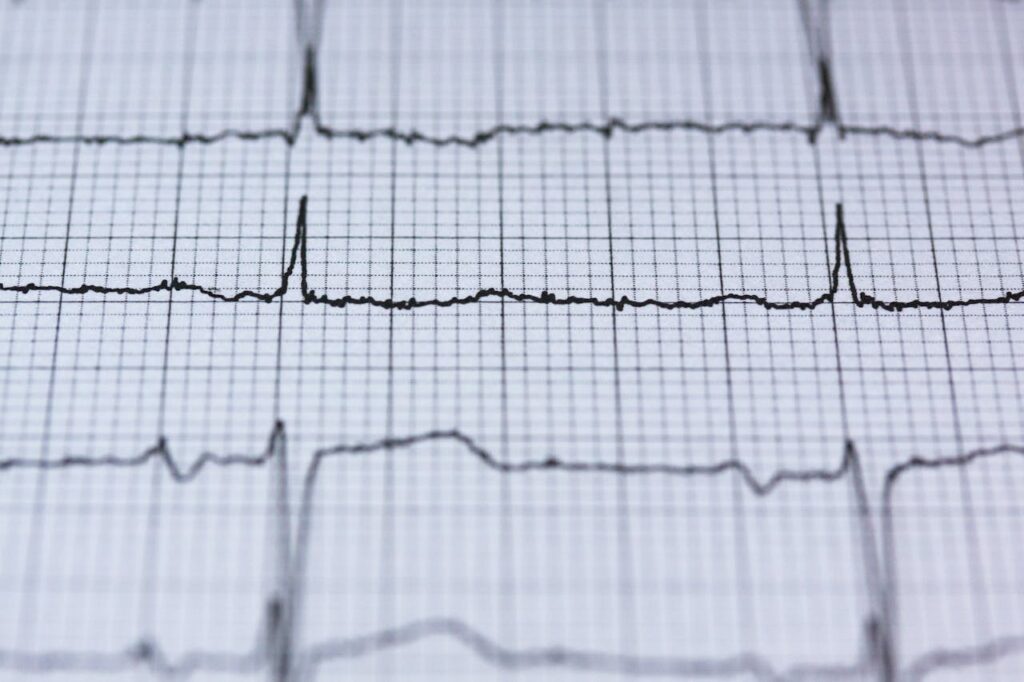
How Heart Rhythm Risk Quietly Increases
Cardiac complications often go unnoticed until a crisis occurs.
- Several antipsychotics are associated with QT interval prolongation
- QT prolongation increases risk of life-threatening arrhythmias
- Alcohol misuse contributes to electrolyte imbalance, a known arrhythmia trigger
- Risk compounds with dehydration, vomiting, and poor nutritional intake
How Does Alcohol Destabilize Mental Health During Antipsychotic Treatment?
Alcohol interferes with sleep architecture, mood regulation, and emotional processing. These are the same systems antipsychotics aim to stabilize. Alcohol use is linked to increased anxiety, depressive symptoms, irritability, and sleep disruption. Individual therapy for addiction treatment can sometimes be helpful early on, but alcohol-driven destabilization often requires broader medical support. Research summarized by national health authorities shows alcohol worsens psychiatric symptoms and undermines medication effectiveness. People may assume their medication stopped working when alcohol is the real driver. This destabilization fuels a cycle of dose changes, side effects, and frustration. Antipsychotics and alcohol pull the brain in opposite directions. One aims for regulation. The other introduces volatility.
Why Mental Health Stability Breaks Down Faster
Alcohol disrupts the same systems psychiatric treatment is trying to regulate.
- Alcohol worsens sleep architecture, increasing agitation and paranoia
- Mood instability and anxiety intensify with ongoing alcohol use
- Symptom rebound often appears before full relapse
- Medication adjustments fail when alcohol remains unaddressed
Does Alcohol Increase Relapse and Rehospitalization Risk?
Studies following people with schizophrenia and related disorders show substance use is closely tied to relapse patterns. Alcohol use correlates with symptom recurrence, hospitalization, and poorer long-term outcomes. Cohort research published by academic presses highlights how medication adherence and substance exposure interact. Antipsychotics and alcohol together increase the likelihood of destabilization that leads to emergency care. Relapse is not always dramatic. It may begin with sleep loss, missed doses, or subtle paranoia. Alcohol accelerates this progression. Rehospitalization becomes more likely when alcohol use continues during antipsychotic treatment. For families, repeated crises can feel confusing and sudden, but the mechanism is well-documented in clinical research.

The Relapse Pattern Seen in Clinical Data
Relapse is a process, not a single event.
- Substance use is strongly associated with higher relapse and rehospitalization rates
- Alcohol use correlates with earlier symptom return after stabilization
- Patients with co-occurring substance use show poorer long-term outcomes
- Rehospitalization risk increases when adherence drops
Why Does Alcohol Lead to Missed Doses and Treatment Failure?
Alcohol use disrupts routines. It impairs memory and motivation. Missed doses become common. Some people intentionally skip medication to drink, fearing side effects. Others stop medication after drinking-related sedation feels overwhelming. Peer-reviewed medical literature consistently links alcohol use with nonadherence in psychiatric treatment. Antipsychotics and alcohol together increase side effects that drive people away from consistent use. Nonadherence leads to symptom return, emergency department visits, and involuntary holds. Treatment failure is often blamed on the medication, but alcohol is frequently the hidden variable. Stabilization requires regular dosing. Alcohol makes that harder to sustain.
Why Medications Stop Working When Alcohol Is Involved
Treatment failure often reflects behavior disruption, not drug inefficacy.
- Alcohol use is linked to missed doses and inconsistent schedules
- Side effects feel worse when alcohol is present, leading to discontinuation
- Missed doses increase risk of psychotic or mood symptom rebound
- Emergency interventions rise after periods of nonadherence
How Does Alcohol Impair Judgment and Increase Dangerous Mixing?
Alcohol lowers inhibition and impairs decision-making. People are more likely to take extra doses, combine medications, or add substances to counteract effects. Someone may take more medication to quiet agitation caused by drinking. Another may add sleep meds to overcome alcohol-induced insomnia. National alcohol safety guidance highlights this pattern as a common pathway to medical emergencies. Judgment impairment is not a character flaw. It is a pharmacological effect. Together, they magnify that impairment. Risky mixing becomes more likely as intoxication deepens.
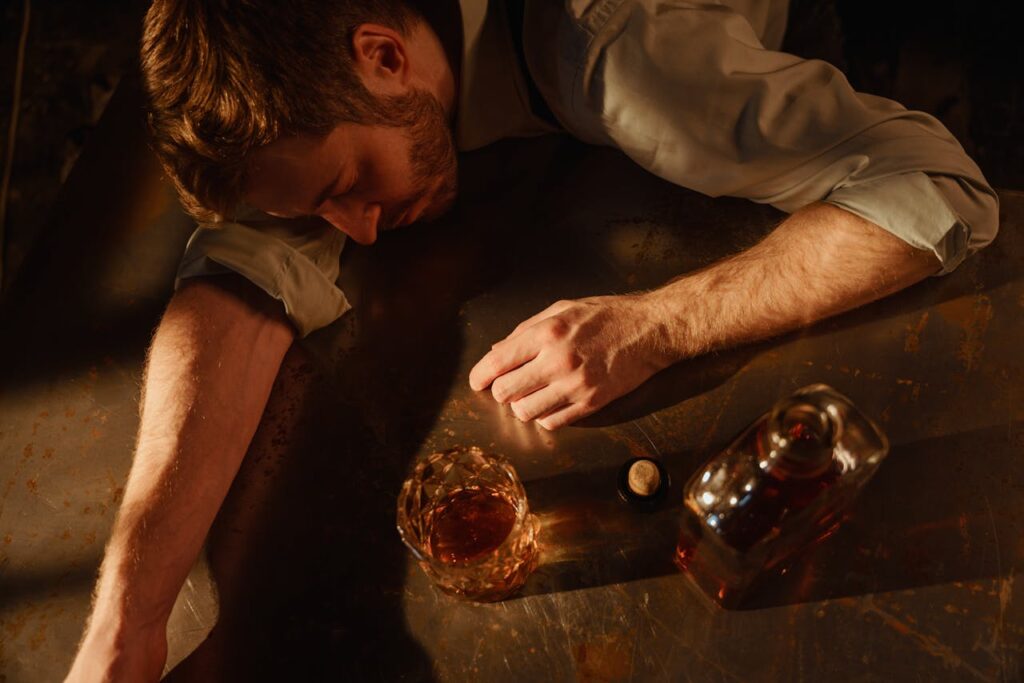
Judgment Errors That Trigger Medical Emergencies
Alcohol directly impairs decision-making and impulse control.
- Alcohol increases likelihood of double dosing or PRN misuse
- Mixing medications becomes more common during intoxication
- Attempts to “balance” effects often worsen toxicity
- Many emergencies involve poor judgment rather than intent
Why Are Older Adults at Higher Risk With This Combination?
Older adults metabolize alcohol and medications differently. Sedation lasts longer. Balance recovers more slowly. Bone density is lower, so fractures are more severe. National alcohol health guidance specifically flags antipsychotics combined with heavy alcohol use as increasing fall and fracture risk in older populations. Cognitive effects also linger longer, increasing confusion and delirium. This combination poses disproportionate harm in this group, even at lower doses. Families may mistake these effects for aging rather than a medication interaction. Awareness can prevent serious injury.
Why Age Makes The Antipsychotic Drugs And Alcohol Combination More Dangerous
Physiology changes how substances are processed over time.
- Older adults metabolize alcohol and medications more slowly
- Sedation and confusion last longer and recover more slowly
- Fall-related fractures lead to higher disability and mortality rates
- Cognitive impairment is more severe even at lower doses
Antipsychotics and Alcohol: What This Means for Safety and Recovery
The evidence is clear. Antipsychotics and alcohol interact in ways that increase injury, destabilize mental health, and raise medical risk. Sedation, breathing suppression, heart rhythm changes, relapse, and treatment failure are not rare outcomes. They are documented patterns. Recovery improves when alcohol is addressed alongside psychiatric care. Supervised detox, medication review, and integrated treatment reduce risk. Loved ones play a key role by noticing changes early and encouraging support. If alcohol use is present during antipsychotic treatment, it is not something to manage alone. Safer outcomes start with informed decisions and timely care. If questions or concerns are coming up now, contact Tranqulity Recovery Center to talk through next steps with professionals who understand both addiction and mental health.
You Have Questions
We Have Answers
At Tranquility Recovery Center, we offer treatment for a wide range of addictions, including alcohol, opioids, prescription drugs, and illicit substances. Our team tailors each program to meet individual needs, focusing on both the physical and emotional aspects of recovery.
At Tranquility Recovery Center, we offer treatment for a wide range of addictions, including alcohol, opioids, prescription drugs, and illicit substances. Our team tailors each program to meet individual needs, focusing on both the physical and emotional aspects of recovery.
At Tranquility Recovery Center, we offer treatment for a wide range of addictions, including alcohol, opioids, prescription drugs, and illicit substances. Our team tailors each program to meet individual needs, focusing on both the physical and emotional aspects of recovery.